
Your roof rarely fails all at once. Instead, it wears down gradually through small, easy-to-miss changes that add up over years of sun, wind, rain, and temperature swings. Many homeowners don’t realize how much damage has accumulated until they’re facing a leak, a sagging ceiling, or a shockingly large repair bill. Learning to spot the early warning signs of an aging roof can save you thousands of dollars and help you plan ahead instead of reacting to an emergency.
Curling or Cupping Shingle Edges
One of the earliest visible signs of an aging roof is shingles that curl upward at the edges or cup in the middle. This happens as asphalt shingles lose their oils and flexibility over time, usually due to prolonged sun exposure and heat cycling. Once shingles start curling, they become more vulnerable to wind uplift and water infiltration underneath the roofing material.
If you notice this pattern across large sections of your roof rather than just a few isolated shingles, it’s usually a sign that the entire roofing system is reaching the end of its usable life. Catching this early gives you time to plan for roof replacement on your own schedule, rather than being forced into a rushed decision after a storm.
Granule Loss in Gutters and Downspouts
Asphalt shingles are coated with granules that protect against UV rays and give the roof its color and texture. As shingles age, these granules naturally shed, but a sudden increase in granule buildup at the bottom of downspouts or in gutters is a red flag. This is often one of the first indicators that a roof is deteriorating faster than expected.
- Check gutters after heavy rain for gritty, sand-like debris
- Look for bald or shiny patches on the shingle surface
- Note if granule loss is spread evenly or concentrated in one area
- Compare gutter debris amounts year over year to track the trend
Sagging Rooflines and Uneven Surfaces
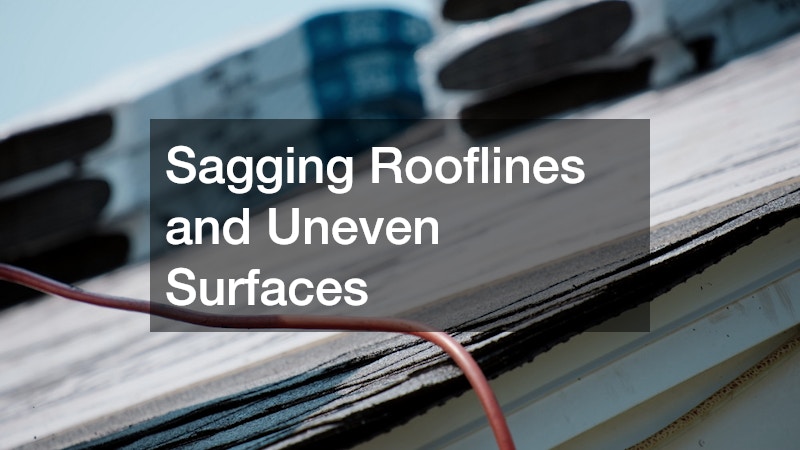
A roofline should appear straight and level when viewed from the street or your yard. Any dipping, sagging, or waviness usually points to structural problems, often caused by trapped moisture, rotting decking, or years of weight from multiple roofing layers. This is not a cosmetic issue and should never be ignored, since it can signal weakened support beams underneath.
If you spot sagging, it’s worth contacting a residential roofing service promptly to assess the severity before it worsens. Left unaddressed, a sagging roof can eventually lead to partial collapse, especially under the added weight of snow or standing water.
Daylight Visible Through the Attic Roof Boards
A quick trip to your attic can reveal a lot about your roof’s true condition. If you see pinpricks of daylight coming through the roof boards, it means there are gaps or holes that could also be letting in water, pests, or drafts. This issue often develops gradually as nails back out, decking shifts, or small sections of roofing material deteriorate.
Pay attention to musty smells, damp insulation, or dark staining on the wood as well, since these are additional clues that moisture has been getting in for some time. Addressing these attic-level warning signs early often makes it much easier to keep small problems from spreading to the rafters, insulation, and interior ceilings below.
Frequent or Recurring Leaks After Storms
Occasional leaks can happen even on a relatively new roof, but leaks that keep coming back in the same spot or that appear after every storm suggest a deeper problem. This pattern often means the underlying roofing structure, not just the surface shingles, has been compromised. Homeowners sometimes patch these areas repeatedly without realizing the root cause is a roof nearing the end of its lifespan.
- Track leak locations and dates to identify recurring patterns
- Check ceilings and walls for yellow or brown water stains
- Inspect flashing around chimneys and vents, common leak sources
- Note any leaks that appear during light rain, not just storms
Moss, Algae, and Dark Streaking on Shingles
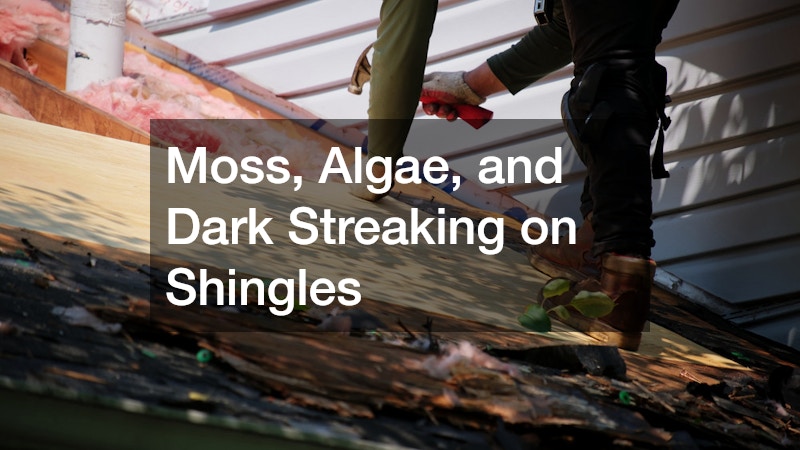
Dark streaks, moss patches, or algae growth on a roof are more than just a cosmetic nuisance. These organisms retain moisture against the shingle surface, which accelerates deterioration and can shorten the roof’s overall lifespan. Roofs in shaded, humid, or heavily wooded areas are especially prone to this kind of growth.
While some staining can be cleaned safely, extensive moss growth often signals that moisture has been sitting on the roof for a long time, softening the shingles underneath. If you’re unsure whether the growth is just surface-level or a sign of deeper damage, a residential roofing company can inspect the affected areas and let you know whether cleaning or repair is the better path forward.
Rising Energy Bills Tied to Roof Performance
An aging roof doesn’t just affect appearance and structural integrity, it can also impact how efficiently your home heats and cools. As roofing materials break down, they lose some of their ability to reflect heat and insulate properly, which forces your HVAC system to work harder. If your energy bills have crept up without an obvious explanation, your roof could be a contributing factor.
This is a subtle sign that many homeowners overlook because it develops slowly over multiple seasons rather than appearing all at once. Comparing utility bills year over year, especially during peak summer and winter months, can help you notice this trend before it becomes a significant expense.
Cracked, Missing, or Loose Flashing
Flashing is the thin metal material installed around chimneys, skylights, vents, and roof valleys to direct water away from vulnerable seams. Common materials include aluminum, galvanized steel, and copper, each with different lifespans and susceptibility to corrosion. Over time, flashing can crack, rust, or loosen due to temperature changes, wind uplift, and general wear, creating easy entry points for water.
Look closely at joints where the roof meets a vertical surface, since these transition points endure the most stress and are usually the first to fail. Signs of trouble include visible rust streaks, gaps between the flashing and roofing material, or caulk that has dried out and pulled away. Even a quarter-inch separation can be enough to let water seep into the decking below during heavy rain.
Because flashing failures are often localized, they can sometimes be addressed through targeted roof repairs that reseal or replace the affected sections without disturbing the surrounding roofing material. In many cases, calling in local roofing repairs professionals to inspect these joints ensures the fix matches your specific roof type and climate conditions. Catching the problem early typically keeps repair costs modest, often just a few hundred dollars, compared to the cost of fixing water damage to decking, insulation, or interior ceilings. If flashing issues appear in multiple areas at once, though, it may signal that the roof as a whole is nearing the end of its useful life.
- Inspect flashing after major storms, high winds, or heavy hail, since these events commonly loosen seals and shift metal out of place
- Look for rust spots, pinhole corrosion, or visible gaps around chimneys, vent pipes, and skylights, where flashing is most likely to fail first
- Check for lifted, bent, or curling flashing edges, especially where nails have backed out or sealant has cracked and shrunk
- Watch for water stains directly below flashing locations indoors, particularly brown rings on ceilings or damp spots near chimneys after rainfall
- Examine valley flashing for granule buildup or standing water, which can signal a slope or drainage problem
- Note any gaps wider than a pencil’s width between flashing and roofing material, as these are large enough to let water seep through
- Consider having flashing checked annually, or immediately after any roofer or contractor has worked on nearby shingles

Age of the Roof Compared to Material Lifespan
Every roofing material has a general life expectancy, and knowing where your roof falls in that timeline helps you gauge risk even before visible damage appears. Asphalt shingle roofs typically last between 15 and 25 years, while metal, tile, and slate can last considerably longer with proper maintenance. If your roof is approaching or has surpassed its expected lifespan, it’s worth scheduling a professional evaluation with a licensed roofing contractor even if you haven’t noticed obvious problems yet.
Reaching out to a local roofing company for a lifespan assessment is a practical step, especially if you’re unsure how many roofing layers exist or what material was originally installed. Many homeowners inherit a roof of unknown age when buying a home, making this kind of evaluation especially valuable for long-term planning and budgeting.
When to Schedule a Professional Roof Evaluation
Not every warning sign requires an emergency call, but ignoring multiple signs at once increases the risk of costly interior damage. A missing shingle here or a small granule buildup in the gutters might not warrant a same-day visit, but two or three issues appearing together are a strong signal that professional attention is overdue.
A trained set of eyes can catch issues that are easy to miss from the ground, such as subtle decking movement, soft spots near vent boots, or early flashing failure around chimneys and skylights. Homeowners often rely on binoculars or a quick glance from the yard, but roofing professionals use moisture meters, thermal imaging, and physical walk-throughs to spot problems weeks or months before they become visible leaks.
Don’t Leave Your Roof Uninspected for Many Years
Timing matters too. Scheduling a routine inspection every couple of years, or after any major storm involving hail, high winds, or heavy snow load, is one of the simplest ways to extend your roof’s life. Many insurance providers even recommend or require a post-storm inspection report to support future claims.
It’s also worth scheduling an evaluation if your roof is approaching the tail end of its expected lifespan, generally 20 to 25 years for asphalt shingles, since materials degrade unevenly and problems can accelerate quickly once they start.
So when should you actually pick up the phone? A good rule of thumb is to schedule a professional evaluation once a year, ideally in the spring or fall, plus after any major storm involving high winds, hail, or heavy snow load. If your roof is already past the 15-year mark, annual inspections become even more important since aging materials are more vulnerable to sudden failure.

Consider the Scope of the Services Provided
Experienced roofers can offer a range of roofing services, from minor patchwork to full system replacement, tailored to your roof’s specific condition and age. A thorough evaluation typically includes checking flashing around chimneys and vents, inspecting the attic for moisture or insulation issues, and assessing shingle granule loss — all things that are hard to catch from the ground.
Building a relationship with the same team for consistent inspections also means you’ll have a documented history of your roof’s condition, which is useful for insurance claims and resale value. This paper trail can speed up claims processing after storm damage and gives potential buyers confidence that the roof has been well-maintained, which can even factor into your home’s appraisal.
Whether you need a quick fix for a small issue or a more thorough evaluation to address multiple concerns, getting ahead of problems is always more cost-effective than waiting for a failure. A $300 inspection today can easily save you from a $10,000 emergency replacement down the road, making regular checkups one of the smartest investments a homeowner can make.
Recognizing these early warning signs puts you back in control of your home’s biggest protective barrier instead of leaving you to react to a crisis. Small issues like curling shingles or minor flashing damage are far easier and cheaper to address than a full structural repair after months of hidden water damage. If any of these signs sound familiar, take the time to schedule a professional inspection from a residential roofing services soon rather than waiting for the next storm to reveal the true extent of the problem. Being proactive now is the simplest way to protect your home, your budget, and your peace of mind for years to come.